Refrigeration Appliances

Top products in Refrigeration Appliances







Comprehensive Buying Guide for Refrigeration Appliances in the UK
Refrigeration appliances are essential components of modern households, playing a pivotal role in food preservation and storage. Whether you’re a culinary enthusiast needing ample space for fresh ingredients or a busy family looking for efficient food storage solutions, understanding the various types of refrigeration appliances available can significantly enhance your purchasing decision. This guide aims to equip you with the knowledge needed to navigate the UK market confidently, ensuring you find the perfect refrigeration appliance to meet your needs.
Understanding the Types of Refrigeration Appliances
When it comes to refrigeration appliances , the choices can seem overwhelming. Here’s a breakdown of the main types you’ll encounter:
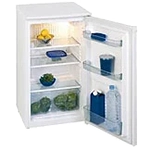
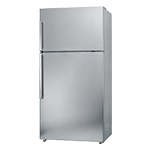
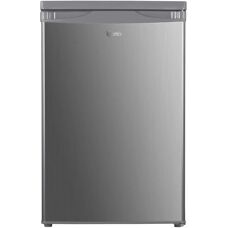
- Fridges : Standard refrigerators come in various configurations, including top-freezer and bottom-freezer models. Top-freezer fridges, where the freezer compartment is situated above the refrigerator, are often more affordable and provide easy access to frequently used items. Bottom-freezer models, on the other hand, offer the convenience of accessing fresh food at eye level while keeping frozen goods at the bottom, which can be more practical for everyday use.
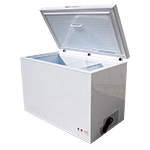
- Freezers : Standalone freezers and chest freezers are designed for those who require extra storage for frozen goods. Standalone freezers are typically upright, making them easier to organize and access, while chest freezers offer a larger storage capacity and are often more energy-efficient. They are ideal for bulk purchases or meal prepping, allowing you to store large quantities of food without worrying about space.
- Fridge Freezers : Combining both refrigeration and freezing capabilities, fridge freezers are popular for their versatility. Integrated models blend seamlessly into your kitchen, while side-by-side configurations allow easy access to both fresh and frozen foods. French-door designs, which feature double doors for the refrigerator and a bottom freezer, are also gaining popularity for their spacious interiors and stylish appearance.
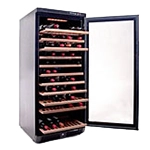
- Wine Refrigeration : For wine enthusiasts, dedicated wine coolers provide optimal storage conditions, maintaining the right temperature and humidity levels. While this guide focuses primarily on general refrigeration appliances , understanding your specific needs can help you decide if a wine cooler is a worthy addition to your home.
- Refrigeration Accessories & Spare Parts : Enhancing the functionality of your refrigeration appliances , accessories such as shelf organizers, replacement filters, and ice makers can improve your overall experience. Familiarizing yourself with these options can help you make the most of your appliance investment.
Measuring Space and Capacity Considerations
Before diving into the selection process, it’s crucial to measure your kitchen space accurately.
- Dimensions : Start by measuring the width, height, and depth of the area where you plan to place your refrigerator. Consider leaving some space for ventilation, as this is essential for optimal performance. A common mistake is purchasing an appliance that fits perfectly into the designated space, only to find that it cannot be opened fully or lacks adequate airflow.
- Capacity Needs : Understanding your capacity requirements is equally important. The general rule of thumb is to allocate about 4-6 cubic feet of refrigerator space per person in your household. For example, a family of four might benefit from a refrigerator with at least 20-24 cubic feet of total capacity. This ensures you have ample room for fresh produce, leftovers, and beverages.
- Delivery Considerations : Finally, think about the delivery and installation process. Ensure that there is a clear path for the appliance to be brought into your home, and be mindful of any doorways, staircases, or tight corners that may pose challenges during delivery.
Energy Efficiency and Environmental Impact
In an age where sustainability is paramount, the energy efficiency of your refrigeration appliance should be a top consideration.
- Understanding Energy Labels : Energy labels provide vital information about the appliance's energy consumption. Look for the Energy Efficiency Rating, which ranges from A+++ (most efficient) to D (least efficient). An appliance with a higher rating may have a higher upfront cost but can save you money on electricity bills in the long run.
- Energy Star Certification : Appliances bearing the Energy Star label meet strict energy efficiency guidelines set by the UK government. Choosing Energy Star-rated models can significantly reduce your environmental impact and contribute to lower energy costs.
- Long-term Savings : Investing in energy-efficient models not only benefits the environment but also your wallet. While the initial purchase price may be higher, the savings on your energy bills can offset this cost over time, making it a smart financial decision.
Key Features to Consider When Buying
When shopping for refrigeration appliances , several key features can enhance your user experience.
- Convenience Features : Modern refrigerators come equipped with a range of convenience features, such as water and ice dispensers, smart technology, and freshness technologies like humidity-controlled crisper drawers. These features can add significant value, making your appliance more versatile and user-friendly.
- Cooling Systems : Understanding the differences between cooling systems is essential. Frost-free models eliminate the need for manual defrosting, saving you time and effort. However, manual defrost models may offer better temperature control and are often less expensive. Consider your lifestyle and preferences when deciding which system suits you best.
- Noise Levels : If you live in a smaller space or have an open-plan kitchen, noise levels can be a critical factor. Look for models that specify low noise output, especially if you prefer a quieter environment.
Brand Reliability and Consumer Insights
The reputation of the brand you choose can significantly impact your satisfaction with your refrigeration appliance .
- Researching Brands : Take the time to research different brands and their track records for reliability and customer service. Well-established brands often have a history of producing durable products and providing excellent after-sales support.
- Consumer Reviews : Utilize consumer reviews and ratings to gauge the performance of specific models. Websites that aggregate user feedback can provide insights into common issues and strengths associated with particular brands or appliances.
- Common Issues : Be aware of frequent problems reported by consumers. For example, some brands may have a reputation for compressor failures or issues with ice makers. Knowing these potential pitfalls can help you make a more informed choice.
Comparative Analysis of Best Products
When it comes to selecting the right refrigeration appliance , understanding your options across various price ranges can help you find the best fit for your budget.
- Budget Models : If you’re looking for affordability without sacrificing quality, consider models like the Beko CFG1582DS , which offers ample space and energy efficiency at a competitive price point. Another solid option is the Hisense RB335D4BC3 , known for its reliability and user-friendly features.
- Mid-Range Choices : For those willing to invest a bit more, the Samsung RB29FWRNDSA provides excellent value with its smart technology and efficient cooling systems. The LG GBP62PZGFS is another great mid-range option, featuring a sleek design and innovative storage solutions.
- Premium Models : If you’re in the market for high-end features, the Bosch Serie 4 KGN39XIEA stands out with its advanced cooling technology and stylish finish. Alternatively, the Miele KFN29233D offers exceptional build quality and performance, making it a worthy investment for those who prioritize longevity and functionality.
Shopping Tips and Timing
Maximizing value when purchasing refrigeration appliances involves strategic planning.
- Best Times to Buy : Certain times of the year, such as Black Friday, January sales, and end-of-summer clearance events, often feature significant discounts on appliances. Keeping an eye on these sales can lead to substantial savings.
- Price Comparison Strategies : Utilize price comparison websites to ensure you’re getting the best deal. Comparing prices across different retailers can reveal significant discrepancies, helping you make an informed choice.
- Negotiation Tips : Don’t hesitate to ask retailers for discounts or price matching. Many stores are willing to negotiate, especially if you present them with competitive offers from other retailers.
Considerations for Used and Refurbished Appliances
Buying used or refurbished refrigeration appliances can be a cost-effective option, but it comes with its own set of considerations.
- Benefits : The most apparent advantage is the cost savings. Used appliances can be significantly cheaper than new ones, making them an attractive option for budget-conscious shoppers. Additionally, purchasing used appliances can reduce waste and support sustainability.
- Risks : However, there are risks involved. Used appliances may lack warranties or have undisclosed issues that could lead to additional costs down the line. Always inquire about the appliance's history and request a demonstration if possible.
- What to Look For : When considering used appliances, check for signs of wear and tear, ensure all features are functional, and verify the appliance’s energy efficiency. A well-maintained used appliance can be a smart investment.
Final Thoughts and Recommendations
Choosing the right refrigeration appliance is a significant decision that can impact your daily life. By considering your specific needs, space, and budget, you can make an informed choice that enhances your home. Take the time to research, compare options, and weigh the pros and cons of different models and brands. Remember, the right appliance should not only fit your space but also cater to your lifestyle and preferences.
FAQs Section
- What is the average lifespan of a refrigerator? Most refrigerators last between 10 to 20 years, depending on the brand and maintenance.
- How often should I clean my fridge? It’s advisable to clean your fridge every few months, checking for expired items and wiping down surfaces.
- Are there any specific maintenance tips for prolonging the life of my appliance? Regularly check and clean the condenser coils, ensure the door seals are intact, and keep the fridge at the recommended temperature (between 0-5°C) to maintain efficiency.
Conclusion
In conclusion, navigating the world of refrigeration appliances doesn’t have to be daunting. With the insights provided in this guide, you’re equipped to explore your options and make a confident purchasing decision. Take your time, weigh your needs against the available choices, and enjoy the process of finding the perfect refrigeration appliance for your home.
Professionnals
Due to technical constraints, Kelkoo cannot guarantee the complete accuracy, nor the completeness of the information provided by the merchants. As a result, and due to the nature of Kelkoo's activities, in the event of discrepancies between the information displayed on the Kelkoo website or ads and the one displayed on the merchant's website, the latter will prevail. Prices shown are including all fees. - Learn more
 company